Recipes
Easy Matcha Latte Recipe Without Expensive Equipment
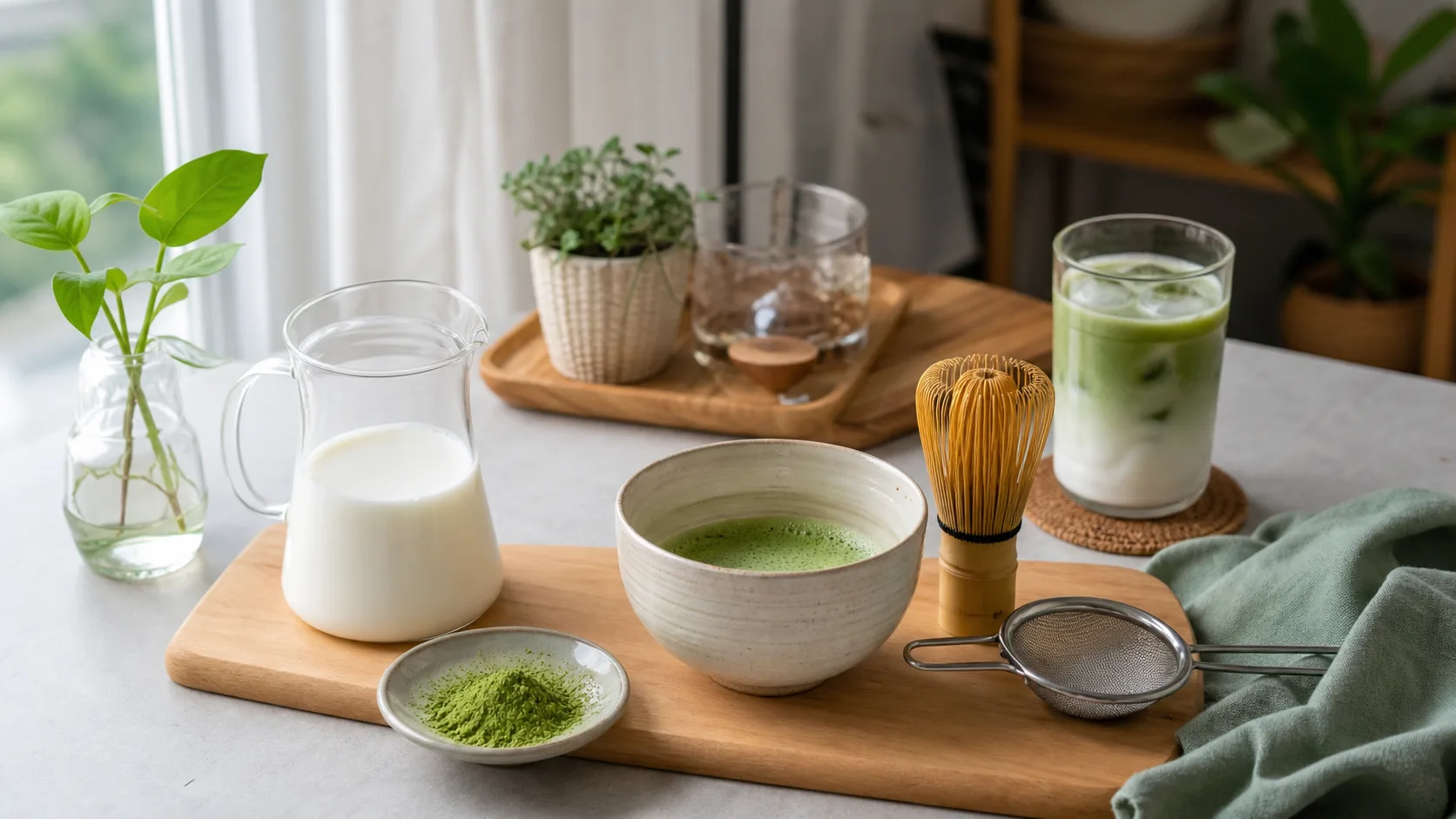
You do not need a bamboo whisk, temperature-control kettle, or countertop frother to make a smooth matcha latte. A small jar with a tight lid does the mixing; a fine kitchen strainer removes the clumps.
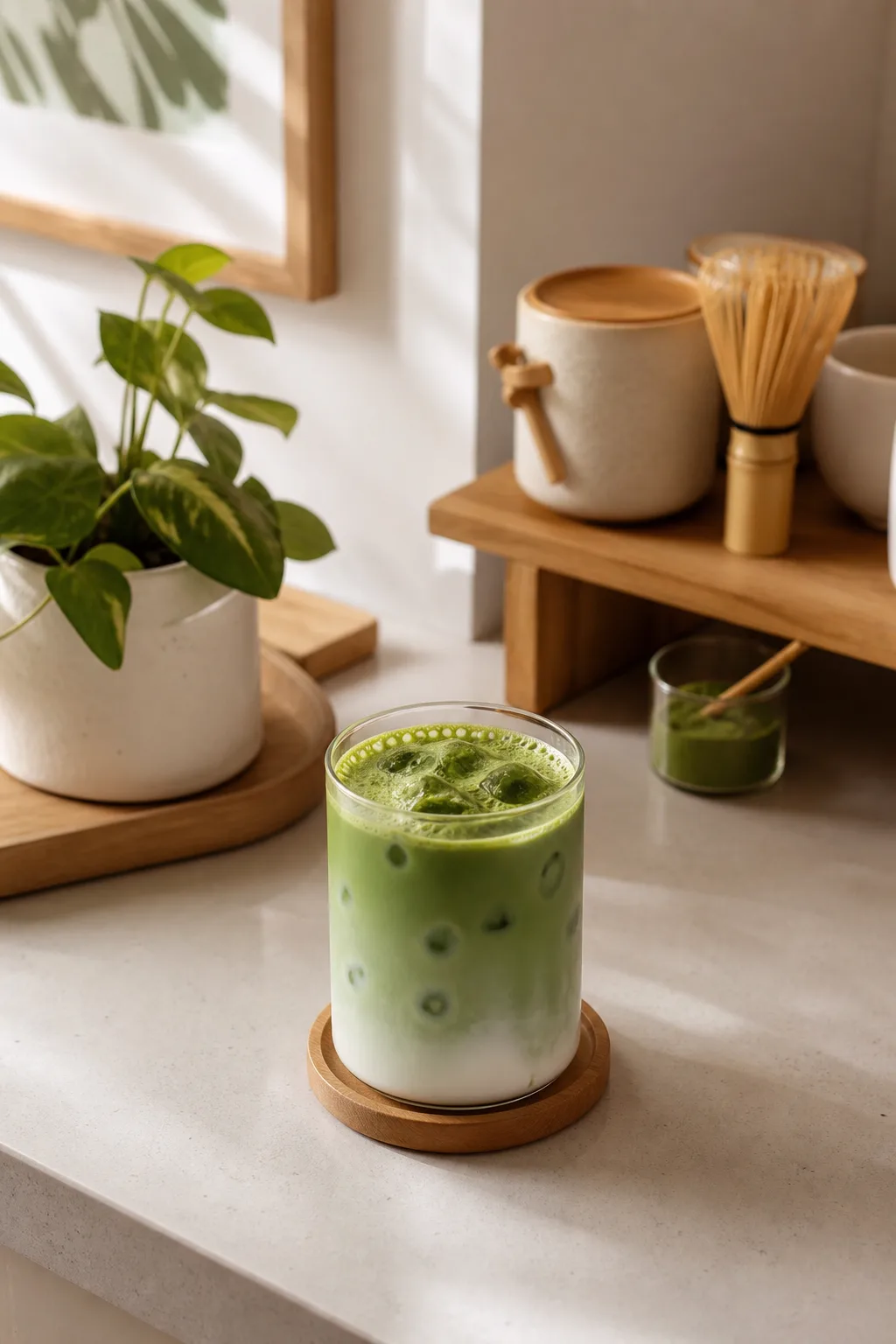
You do not need a bamboo whisk, temperature-control kettle, or countertop frother to make a smooth matcha latte. A small jar with a tight lid does the mixing; a fine kitchen strainer removes the clumps. This recipe makes one 12-ounce iced latte or one 10-ounce hot latte.
Ingredients
- 1 teaspoon matcha, about 2 grams
- 2 tablespoons warm water, not boiling
- 1 to 2 teaspoons maple syrup, honey, or simple syrup
- 3/4 cup milk or unsweetened plant milk
- 1 cup ice for the iced version
Ippodo Tea’s latte method uses 2 grams of matcha and 100 milliliters of water before adding milk. This version uses much less water so the matcha flavor remains present after 3/4 cup of milk is added. Matcha.com likewise gives 1–2 grams per serving as a practical starting range. Both are useful references, not claims that there is one mandatory latte ratio.
The no-whisk method
- Sift the matcha. Push it through a small fine-mesh strainer into a clean jar. This is the step that prevents most stubborn dry pockets.
- Add warm water. Use water that is hot enough to mix easily but not boiling. Matcha.com recommends about 180°F for beginner preparation; if you do not own a thermometer, stop heating when the water is steaming rather than rolling at a boil.
- Shake. Close the jar tightly and shake for 15–20 seconds, until the liquid looks evenly green and a light foam appears. Open it over the sink the first time in case your lid does not seal perfectly.
- Sweeten the concentrate. Stir in 1 teaspoon of sweetener while the mixture is still warm. Taste the finished latte before adding the second teaspoon.
- Build the drink. For an iced latte, fill a 12-ounce glass with ice, add the milk, then pour in the matcha. For a hot latte, warm the milk separately and pour it into a mug before adding the matcha concentrate.
Stir before drinking. The layers are attractive, but matcha is a suspension rather than a fully dissolved syrup, so some settling is normal.
If you do not have a jar
A lidded food-storage container works the same way. You can also mix the sifted matcha and water in a mug with a handheld milk frother, a small balloon whisk, or a fork. A fork takes longer: mash the powder into the water first, then whisk briskly until no dry specks remain.
Do not shake hot liquid in a sealed container. For the hot version, shake only the warm matcha concentrate, then heat the milk separately.
Choose the milk by the result you want
Whole milk gives a fuller dairy texture. Oat milk usually produces a rounder plant-based latte, while almond milk keeps the drink lighter. These are texture choices, not quality rankings. Start with a milk you already buy so the recipe does not require a single-use ingredient.
For a stronger latte, increase the matcha to 1 1/2 teaspoons before reducing the milk. For a softer drink, keep the matcha at 1 teaspoon and use a full cup of milk. Change one variable at a time; otherwise it is hard to tell whether the bitterness came from too much powder, overly hot water, or too little milk.
Troubleshooting
The latte is clumpy
Sift the powder before adding water, then shake a smaller concentrate instead of trying to mix matcha directly into a full glass of cold milk. If clumps remain, pour the concentrate through the strainer once more.
It tastes bitter
Use cooler water, reduce the matcha slightly, or add more milk. Sweetener can soften the edge, but it cannot fully correct a concentrate made with boiling water.
It tastes watery
Ice dilution is usually the cause. Use cold milk, fill the glass with solid ice, and pour the drink immediately. Alternatively, increase the matcha to 1 1/2 teaspoons while keeping the milk at 3/4 cup.
The matcha sinks to the bottom
That is expected over time. Stir once midway through the drink. A fresh shake makes the suspension more even, but it will not stay permanently blended.
A simple first upgrade
If this becomes a regular drink, buy a small fine-mesh strainer before buying a traditional whisk. It improves the jar method, costs little, and can serve other kitchen tasks. A bamboo whisk is enjoyable and effective, but it is an optional ritual tool—not the admission price for a good home latte.
Sources
Continue reading