
Lifestyle
Coffee Table Styling
A well-styled coffee table is still a working surface. The simplest apartment formula is one anchored tray, one low object, one personal object, and at least half the tabletop left open for a mug, remote…
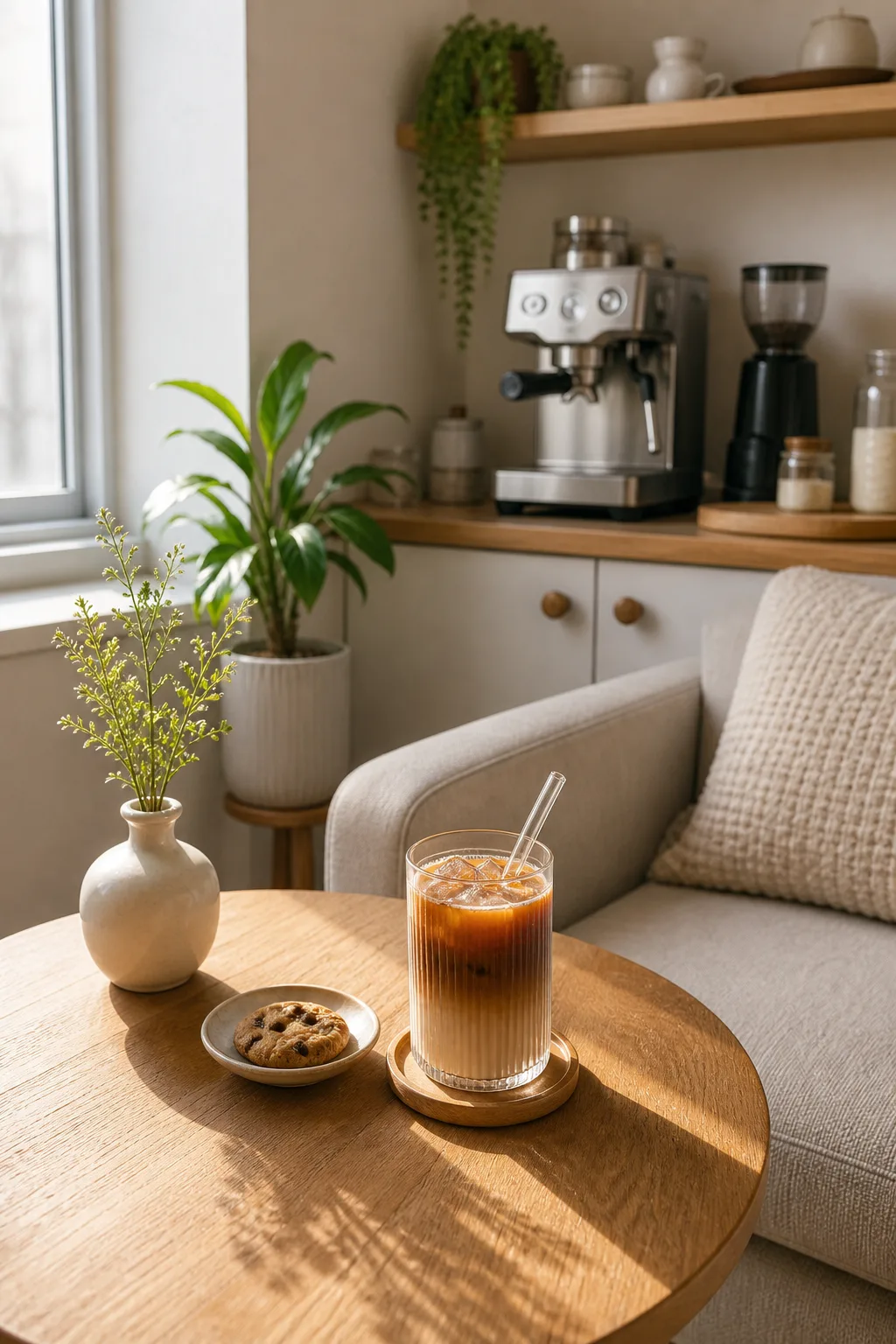
A well-styled coffee table is still a working surface. The simplest apartment formula is one anchored tray, one low object, one personal object, and at least half the tabletop left open for a mug, remote, book, or laptop. The “half open” rule is a practical editing test, not a universal design law: change it to match how the table is actually used.
Start with the table’s real jobs
Write down what lands there during a normal week. Common answers are drinks, remotes, reading, takeout, a laptop, children’s toys, or nothing but feet. Rank the top two. Styling must work around those jobs rather than forcing daily objects onto the floor.
Clear the table completely and clean the surface according to its material. Then return only the items that support the top two uses.
Choose a layout by table shape
Rectangular table: build an off-center island
Place a tray in one rear corner rather than in the middle. Keep the opposite front area empty for a drink and the long edge clear for passing objects. A tray around one-third of the tabletop width is a useful starting proportion; confirm it by laying down paper in the proposed size before buying.
Round table: use a loose triangle
Choose three items with different heights: perhaps a low bowl, a medium stack of two books, and a small plant or sculptural object. Keep the tallest item below the seated sightline across the room. Rotate the grouping until no chair faces a visual wall.
Square table: divide into four quarters
Style one or two diagonal quarters and leave the others open. A tray can occupy one quarter; a low book or box can balance it diagonally. Filling all four makes a small table behave like a display plinth rather than furniture.
Lift-top table: style for removal
Use one tray that can move as a unit. Avoid loose stones, tall vases, or anything that can tip when the top rises. Test the full hinge path before adding weight, and follow the table manufacturer’s load and operating instructions.
Build one tray that earns its footprint
A tray is useful when it collects objects that otherwise drift: coasters, remote, matches for an unlit decorative candle, or a small notebook. It is not useful when it merely adds another border around decor.
Keep the heaviest or least frequently moved object at the back. Put coasters at the front so guests do not reach across a hot drink. If the tray has handles, leave them clear. Felt feet can protect some surfaces, but check the table manufacturer’s care guidance before applying pads or adhesives.
Control height, not just color
From the main seat, look across the table toward the television, another person, or the room’s focal point. Lower or remove any object that blocks that view. A coffee-table arrangement usually feels calmer when one object establishes height and the others step down, rather than every piece competing at the same level.
Repeat one material already present in the room—wood, black metal, clear glass, ceramic, or linen—then add one contrasting texture. You do not need a matching set. Repetition connects the table to the room; contrast keeps it from looking accidental.
Make drinks the temporary focal point
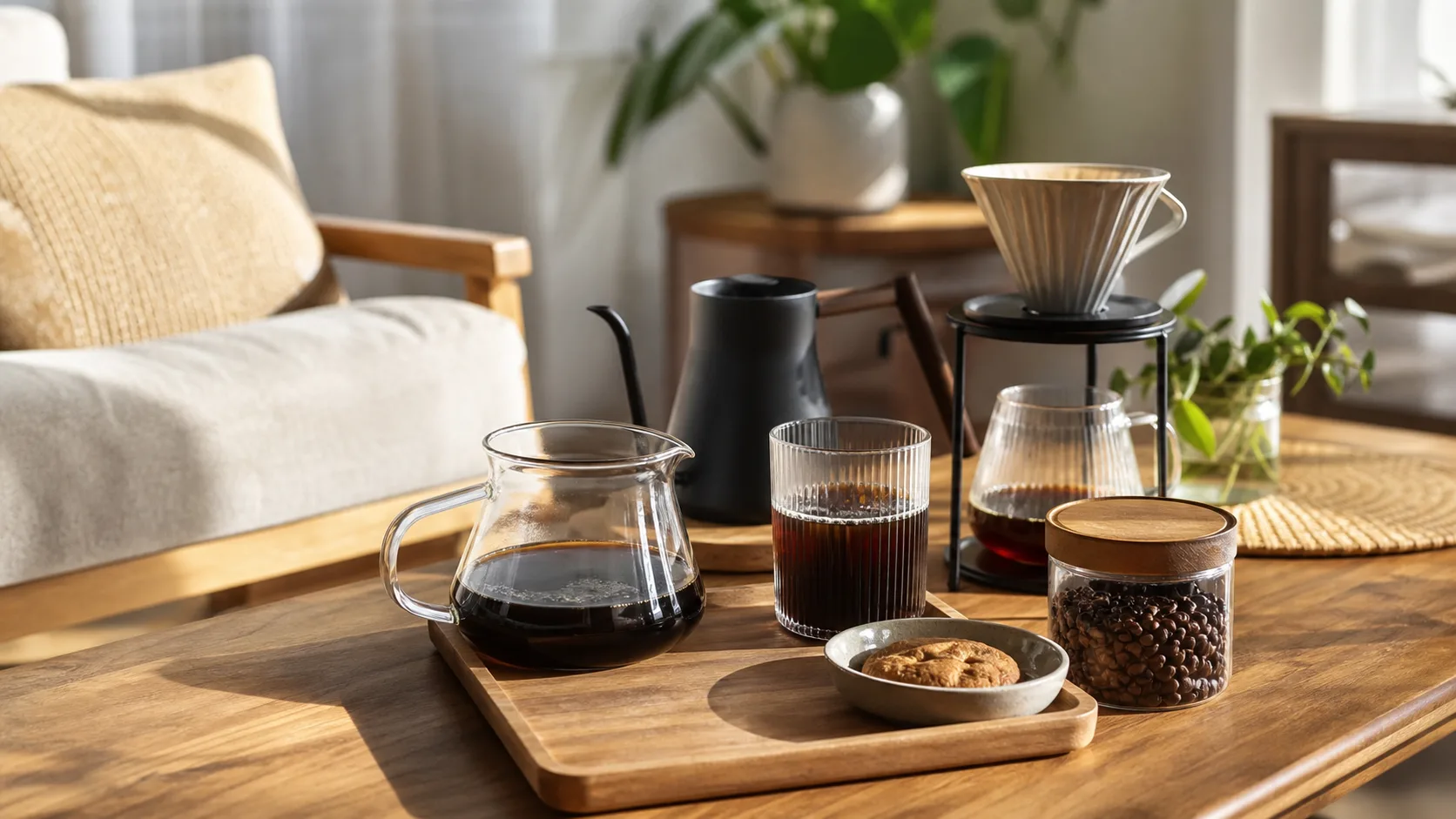
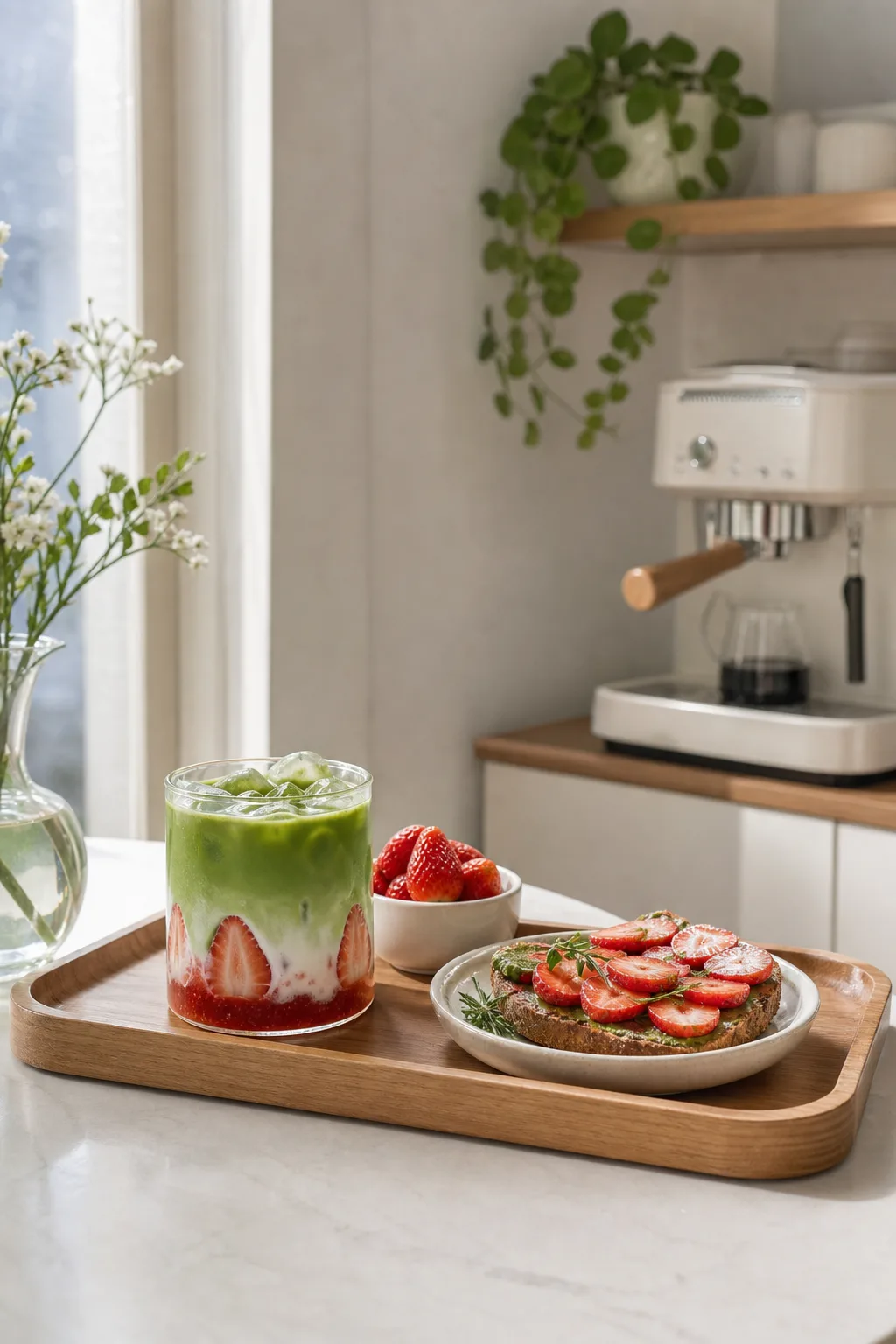
Do not permanently style the table with a full café scene. When serving coffee, clear one open zone and add only what the moment needs: mug, coaster, small plate, and napkin. Keep the pot or press on a heat-safe stable surface if the table material and appliance instructions allow it; otherwise pour in the kitchen.
Avoid running an appliance cord across a seating path. Hot drinks belong away from the edge, especially in homes with children or pets.
Candles: keep the glow, remove the hazard
An unlit candle can provide shape and color, but lighting it changes the arrangement into an open-flame setup. NFPA advises using sturdy holders, keeping candles at least 12 inches from anything that can burn, and extinguishing them before leaving the room or going to bed. On a table with books, napkins, dried stems, pets, or frequent drinks, a flameless candle is the simpler choice.
The 60-second reset
At the end of the day:
- return dishes to the kitchen;
- move the remote and coasters back to the tray;
- remove mail and charging cables;
- straighten the book stack;
- restore the open half of the table.
If the reset regularly takes longer than a minute, the arrangement contains too many independent pieces. Remove one item at a time until the table can recover without becoming a chore.
Sources
Continue reading
Related stories
lifestyle
Hosting Coffee Friends
lifestyle
Morning Coffee Ritual
lifestyle